Learn About us
Mission & Vision
History
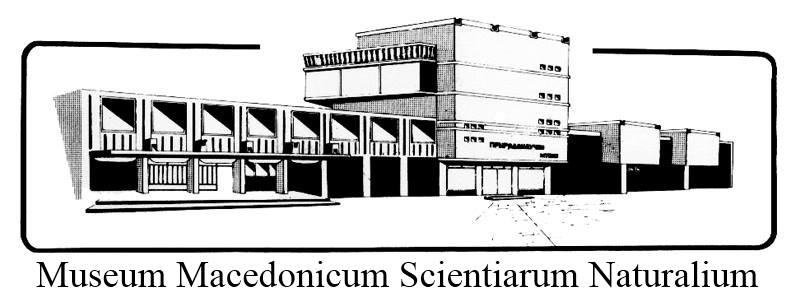
The Natural History Museum of the Republic of Macedonia was established on October 26, 1926, at the initiative of the famous zoologist Dr. Stanko Karaman. The idea of establishing such an institution was preceded by several events, which proved to be decisive for making such a decision. First of all, it was the publication of the monograph “Macedonia” (Mazedonien) by Dr. Franz Doflein in 1921, from which the young Stanko Karaman received the first information about the diversity of flora and fauna in the Republic of Macedonia and this was a strong incentive for him to make a decision to visit our country.
He first came to the Republic of Macedonia in 1922. Although his stay was short, Dr. Karaman nevertheless managed to collect and study enough material to publish his first work – Contribution to the Herpetofauna of Macedonia. The next, longer stay took place the following year, 1923. At the invitation of the Hygiene Department of the then Ministry of Public Health, Dr. Karaman spent six months studying malarial mosquitoes with the aim of suppressing malaria. The result of his work was the work Anopheles in Macedonia, published the same year. In addition to his official work, the young Karaman enthusiastically collected and processed various faunal material, paying special attention to the ichthyofauna in the Republic of Macedonia. The result of his work and dedication was another major work on the Macedonian fauna, Fish in Macedonia, which was published in Split in 1924.
Organizational chart and organizational units
The museum contains the following organizational units:
1. Administrative service
1.1 Department for general legal affairs, human resources, marketing and material and financial affairs.
2. Professional service
2.1. Department of Geology and Paleontology
2.2. Division of Invertebrates;
2.3 Department of Entomology;
2.4 Vertebrae Department;
2.5 Ornithology Department;
2.6 Department of Botany;
2.7 Department of Education and Library;
2.8 Preparatory department;
3. Technical support service.
Mission
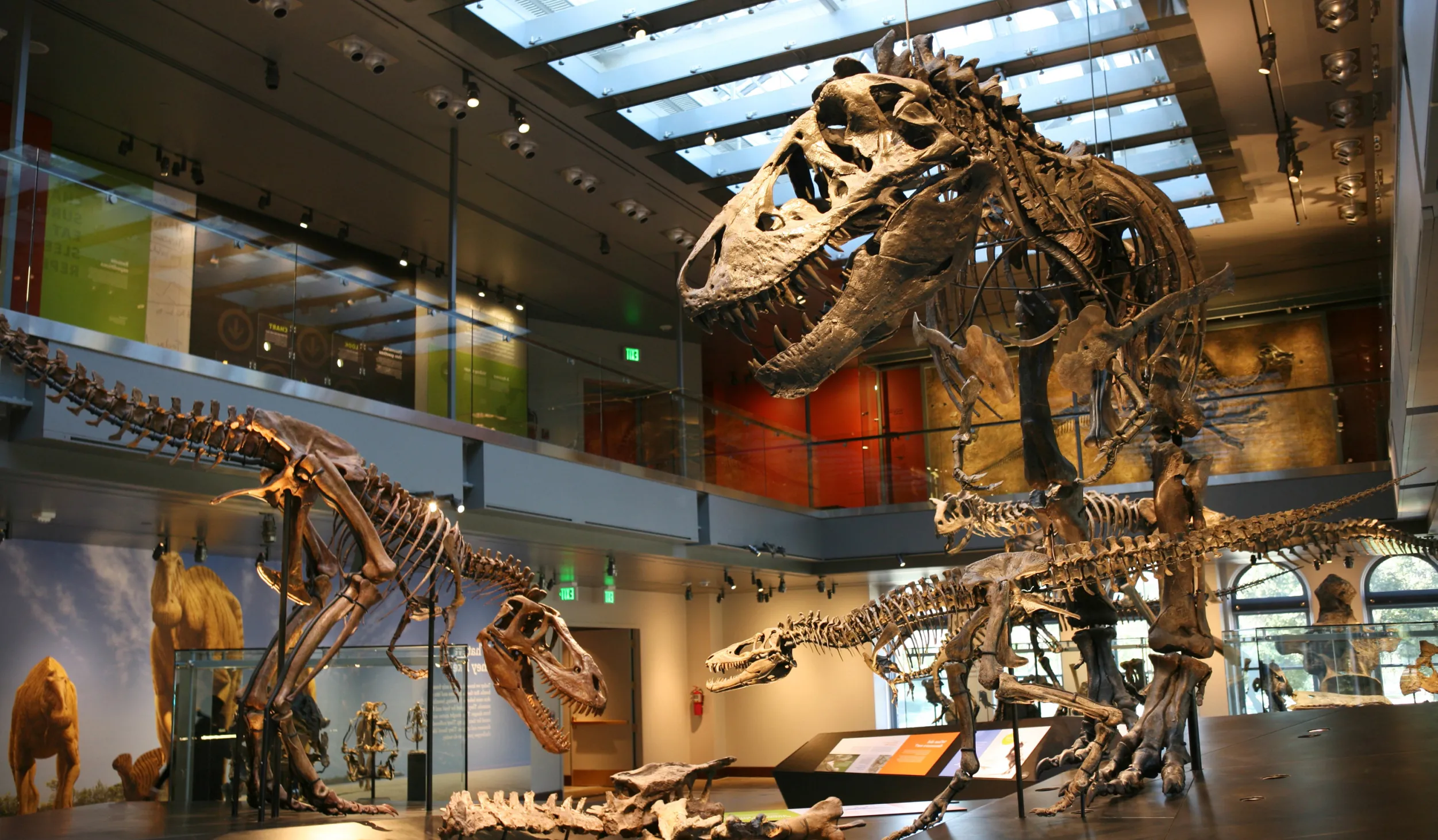
Our mission is to preserve, research and promote the natural heritage of the Republic of Macedonia through scientific excellence, education and public engagement.
Vision
We strive to create a dynamic and innovative environment that connects science, society and future generations. Through continuous development, modernization of exhibitions and international cooperation, we aim to position the museum as a center of knowledge.
CONTACT
Blvd. Ilinden No. 86, Skopje 1000
Phone: 02 3117 669
Email: contact@musmacscinat.mk
© 2026 Museum of Natural History. Created for free using WordPress and Kubio